


To Test or Not to Test? - When it comes to IT disaster recovery and remediation processes, regular testing is not a 'nice to have' - it's absolutely essential!
This isn't hyperbole on my part. You just have to look at the news on any given day. We've all heard the horror stories of organisations in both the public and private sectors experiencing prolonged downtime during disasters due to inadequate preparation, lack of testing, and the unsuitability of their legacy remediation processes and systems.
2371 Hits

Although the sector as a whole has traditionally been comparatively wary of the ever-increasing pace of technology, legal services are increasingly data driven, with an abundance of AI-related discussion emerging within legal technology circles. The core Document Management Systems (DMS) and Practice Management Systems (PMS) remain the centre of focus for how and where to deploy a variety of rapidly maturing SaaS platforms, or dedicated, highly customised suites.
2320 Hits

As organisations generate, manage, and store more data than ever before, it's not hard to see why the ongoing march of Cloud transformation shows no signs of slowing down. But for all the Cloud's advantages in terms of flexibility, scalability, and cost control, it is not suitable for every application.
2818 Hits
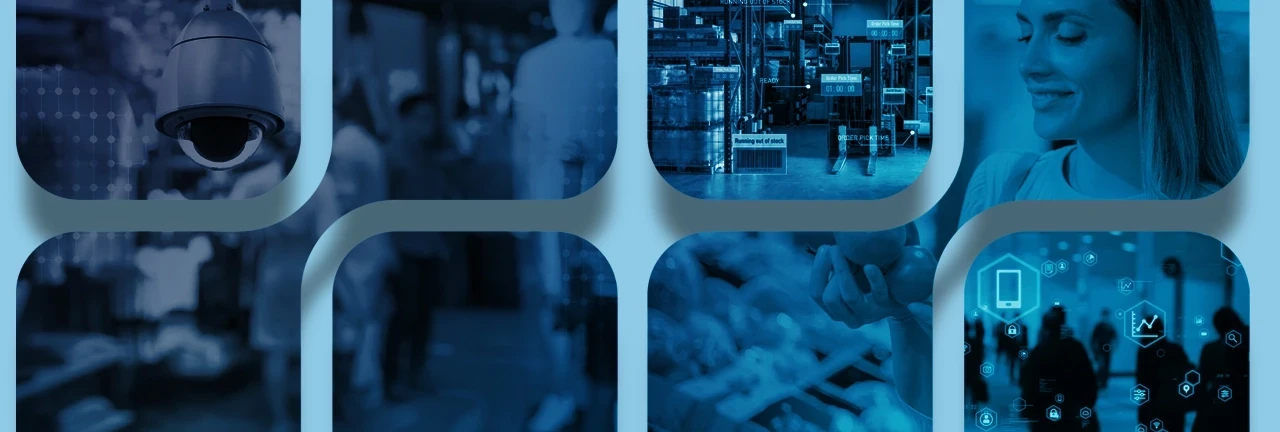
We've been hearing about the impending demise of the high street for years now, ever since online shopping and click-and-collect established themselves as part of our day-to-day lives. And yet, while brick-and-mortar retail has certainly been through a great many challenges and upheavals, it doesn't show any sign of going away quite yet. Rather than simply expecting customers to be content with previous generations' shopping experiences, the sector has demonstrated considerable ingenuity by taking full advantage of emerging technologies to deliver the kind of personalisation that would previously have been the sole preserve of online platforms.
2015 Hits

A 30‑year‑old man has been charged with launching a cyberattack on the German subsidiary of Russia's state-owned oil giant Rosneft. The cyberattack, which happened in March 2022 in the aftermath of Russia's invasion of Ukraine, crippled the company's operations and cost millions of euros in damages.
3184 Hits

Traditionally, retailers' biggest security concern has been theft, and so CCTV systems evolved to ensure shoplifters could be identified as quickly as possible and stock shrinkage minimised, forming a foundational element of on-site infrastructure. However, as retailers expanded their operations and looked to achieve seamless communication and interoperability between sites and warehouses, the security concern grew to include data theft, and so secure, resilient connectivity became a key priority.
1150 Hits
Adopting a more sustainable, environmentally friendly approach to projects is a critical priority for the UK's AEC sector, both due to the launch of manifestos such as Architects Declare and Construction Declares, and growing recognition of the BREEAM standard - which set out clear sustainability goals for the sector - and growing environmental awareness amongst both businesses and the general public.
4410 Hits

Whether it's in person or online, the way we shop has changed forever. Seamless flows of customer data are powering truly personalised, interconnected shopping experiences, with retailers willing to embrace the change positioning themselves ahead of the competition and developing world-class, instantly recognisable brands.
1885 Hits

The Challenge
In Q3 of 2024, the CEO of a UK-based bank received an email from a ransomware group, informing him that the bank's data had been encrypted and would be released on the dark web unless a ransom demand was paid. Although several insurers and consultants were engaged to resolve the situation, the slow response times made it clear that an alternative approach would be needed.
Finally, in order to minimise the resulting downtime and resume operations as soon as possible, without giving in to the criminals' ransom demand, the organisation engaged Exponential-e to restore and secure their critical servers. With even the shortest period of downtime resulting in serious financial and reputational damage, a team of incident response specialists immediately began the restoration process, aiming to have the bank's systems back online in days rather than weeks.
The Solution
The restoration process began with a thorough audit of the IT ecosystem to establish which servers had been impacted, after which the affected VMs were powered down. A new, fully isolated VDC was created to store these VMs once they were recovered, along with a completely new firewall zone.
With the affected servers restored into this new VDC zone, firewalls were established to allow for the most basic access, after which malware scans were conducted. These scans continued for two days, during which the customer was granted initial access to the servers via a temporary SSL VPN with Azure MFA, allowing them to resume operations in just three days.
At this point, Zerto replication was set up for the new VMs, while Exponential-e simultaneously engaged with the third party that was conducting a forensic investigation.
Connectivity was soon re-established for the customer's other offices, at which point users were brought back online. Firewall logs were provided for the forensic team, along with initial access to VM images via vCloud Director.
Finally, a test rebuild of the affected VMs was conducted and finalised within two days, and additional firewall policies established.
Exponential-e has repeated variations of this process for multiple other organisations affected by ransomware attacks, allowing them to resume operations as quickly as possible and ensure their critical infrastructure is secured against future attacks.
The Result
Ongoing communication between all parties involved ,including a dedicated team of incident response specialists at Exponential-e with a defined action plan ensured a seamless restoration process. Day-to-day operations resumed in just seven days, without paying the criminals' ransom demand.
Don't wait for a crisis to expose the cracks, fortify your defences today. Discover how expert response turned seven days of chaos into operational recovery.
1196 Hits

© 2026 Exponential-e Ltd. Reg. No. 04499567, Reg. Address:100 Leman Street, London E1 8EU