

A new approach to student welfare and retention in the era of AI

Our universities are currently challenged on multiple fronts. Most obviously fees have been frozen for some years now while salaries continue to rise, leading to extreme financial pressure. At the same time, competition from international universities is fierce, particularly when it comes to attracting students from abroad. As such, it is essential that our universities are not only able to attract new students, but also retain them throughout the duration of their studies, and potentially on to post-grad work.
But here's a sobering statistic: at the time of writing, 6.3% of university students in the UK drop out before completing their degrees1, with this figure rising to as much as 18% in the case of certain institutions. A deep dive into the reasons for this lie outside the scope of this article, but one thing is clear: universities must do more to ensure their students are properly supported before, during, and after their studies, not only to fulfil their duty of care, but also to ensure the continued viability of our world-renowned higher education system.
However, as we've noted, staff and resources are currently stretched very thin, and providing each student with the personal support and guidance they require is increasingly challenging. With that in mind, how could we enable Student Academic Support (SAS) teams to do more with less, without putting students' welfare at risk?
To begin with, let's consider what lessons could potentially be learned from other sectors, particularly with regards to the successful implementation of emerging technologies.
From housing associations to emergency services and utilities, numerous organisations across the public and private sectors have been exploring the potential of agentic AI when it comes to streamlining and automating their customer journeys, ensuring successful resolutions can be achieved in as few steps as possible. The early steps of this journey have been extremely promising, to the extent that chatbots have become a near-ubiquitous part of our personal and professional lives.
But while these early successes are certainly worth celebrating and building on, we must always bear in mind that it's never enough to simply roll out AI platforms at scale and assume they'll deliver the expected return on investment, especially when we're considering potentially serious situations regarding students' personal welfare. In higher education, just as in other sectors, the drive for greater efficiency and sustainable cost savings can never come at the expense of the all-important human touch.
With that in mind, let's consider which areas of the student experience are most suitable for AI-powered automation, and how this can form part of a wider drive to improve welfare and - in turn - retention.
Perhaps most importantly, we can begin shifting universities' approach to student welfare from a reactive to a proactive one. Rather than stepping in when an emergency occurs, bots can be utilised to automatically reach out to students on a regular basis, checking in to make sure they are not struggling and providing them with links to helpful resources, if needed.

This kind of outreach can be escalated if students are repeatedly absent, which means AI should be used to monitor repeated non-attendance, with a clearly defined escalation process if there is concern about a student's wellbeing, including when welfare officers should intervene.
If this type of automation is intelligently implemented, the potential is enormous, with students always able to access help and support when it is required, and staff able to focus their attention where it is most needed. For this reason, before investing in any new technologies, escalation processes should be clearly defined for all issues regarding student welfare, in much the same way as contact centres should conduct a thorough analysis of their customer journey before considering any potential areas for automation, including integrations with existing technologies, such as ticketing systems and third-party communication platforms. Once this has been clearly defined and an appropriate digital transformation strategy rolled out, with all investments carefully considered in light of the desired student outcomes.
I've already seen early signs of this in my ongoing consultancy work with universities across the country as part of Exponential-e's UC/CC team. New opportunities to implement these nascent technologies continue to reveal themselves on a regular basis, and the more we are willing and able to act upon them, the closer we will be to seeing AI's true potential in the world of higher education, ensuring the student experience is a truly lifechanging one, from enrolment to graduation.
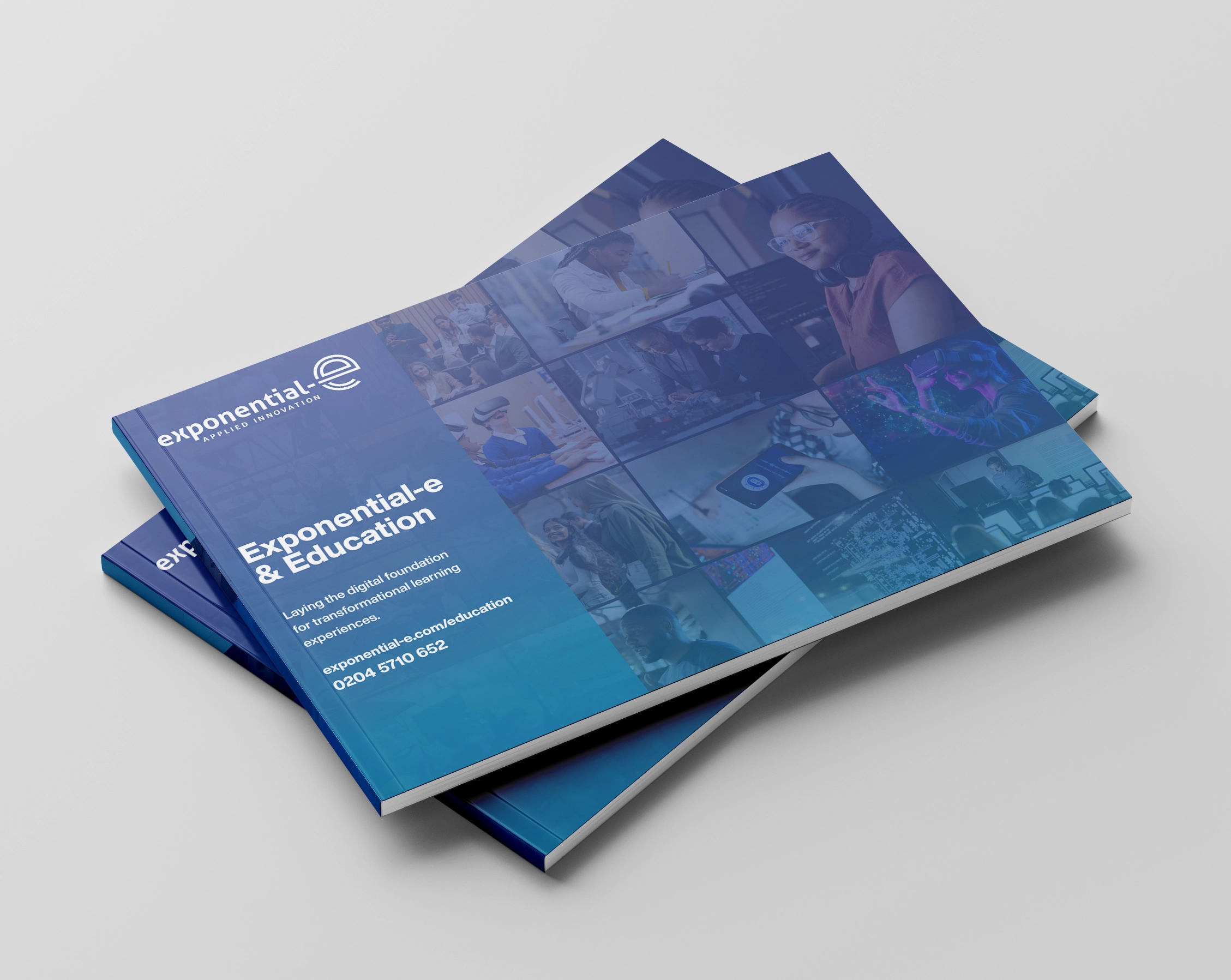
Exponential-e & Education
Exponential-e has been a trusted, longstanding partner for numerous institutes of primary, secondary and higher education, delivering innovative solutions that enable dynamic, multi-channel learning, with zero compromise in terms of security or cost control.
Stay Informed
When you subscribe to the blog, we will send you an e-mail when there are new updates on the site so you wouldn't miss them.
About the author


© 2026 Exponential-e Ltd. Reg. No. 04499567, Reg. Address:100 Leman Street, London E1 8EU